
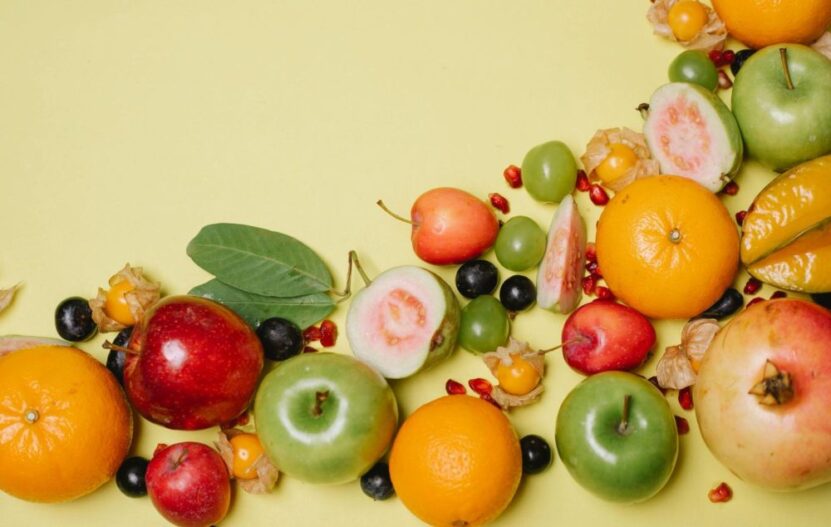
Monsoon season often brings cool weather, fresh surroundings, and changes in children’s daily eating habits. During this time, adding fresh fruits to meals can help support better nutrition and energy levels. Many seasonal fruits are rich in vitamins, fiber, and other nutrients that fit easily into breakfast, snacks, or lunchboxes.
Including fruits that boost immunity in regular meals may also help children gradually develop healthier eating habits. In this blog, you will learn about some simple and easily available fruits that children can enjoy during the rainy season.
Oranges and Sweet Lime for Daily Vitamin C
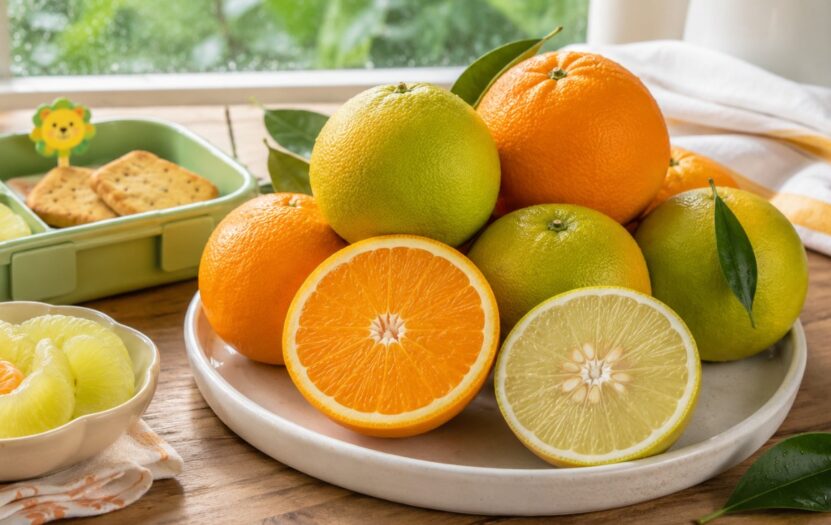
Oranges and sweet lime are common fruits enjoyed during changing weather. These fruits are rich in vitamin C, which can help support daily health and nutrition.
You can serve them as peeled slices for breakfast, school tiffin, or evening snacks. Citrus fruits also taste good in fruit bowls or with yogurt at home.
Guava as a Nutrient-Rich Seasonal Fruit
Guava is one of the nutritious seasonal fruits that most families enjoy during the monsoon season. It provides fiber and vitamin C, along with other nutrients, which may help promote healthy nutrition in children. Guava pieces can be enjoyed as snacks during school hours or in the evenings when children feel hungry.
Some children may appreciate adding a little bit of their homemade seasoning to make the guavas even tastier. Guavas can also be added to smoothies, fruit salads or even salads to include different colors and flavors in children’s diets.
Papaya for Better Digestion and Immunity Support
Papaya is a soft and light fruit that is easy for children to eat and digest. It is suitable for both younger kids and school-going children.
Enriched with vitamins A and C, as well as natural enzymes, papayas also support digestion. You can serve papaya pieces for breakfast or as a light evening snack. It can also be used in smoothies, fruit salads, or chilled fruit cups to make it more enjoyable for children. Adding immune-boosting fruits to regular meals may help children gradually develop healthier eating habits during the rainy season.
Pomegranate for Energy and Overall Wellness
Pomegranates are bright, juicy fruits that many children enjoy eating. Its small seeds are naturally sweet and easy to eat as a quick snack. Pomegranate contains nutrients that may help support daily health and active lifestyles. You can also mix the seeds into curd, salads, or homemade dishes for extra taste and texture. Fresh pomegranate juice with pulp can be another refreshing option during the day.
Bananas for Healthy Growth and Daily Strength
Bananas are one of the easiest fruits for children to eat. The fruits are easy to carry, ready to eat, and available year-round. Potassium, fiber, and other essential nutrients in bananas may contribute to proper child development.
The fruits can be consumed at any time, such as during breakfast, after waking up or before engaging in outdoor activities.
Why Variety Matters in a Child’s Fruit Intake

While children may have favorite fruits that they ask for every day, offering a variety of fruits throughout the week can help provide a wider range of nutrients. Different fruits contain different vitamins, minerals, antioxidants, and fibers. Rotating fruits regularly can also make snack time more interesting and encourage children to try new flavors.
Some simple combinations parents can include are:
- Orange and banana slices for breakfast
- Papaya and pomegranate in fruit bowls
- Guava and yogurt as an afternoon snack
- Mixed fruit smoothies with seasonal fruits
- Fruit salads with three or four colorful fruits
Providing different fruits regularly may help children develop balanced eating habits that continue as they grow older.
Easy Ways to Make Fruits More Appealing for Children
Some children may not be enthusiastic about eating fruits every day. In such cases, presentation can make a noticeable difference. Creating colorful fruit plates or serving fruits in fun shapes may encourage children to eat them more willingly.
Parents can try:
- Homemade fruit popsicles
- Fruit and yogurt parfaits
- Smoothie bowls topped with fruit pieces
- Fruit skewers for evening snacks
- Chilled fruit cups during warm and humid days
These simple serving ideas can add excitement to healthy eating without requiring complicated preparation. Over time, children often become more comfortable including fruits as part of their regular routine.
Add Seasonal Fruits and Natural Vitamin-Rich Foods to Daily Meals
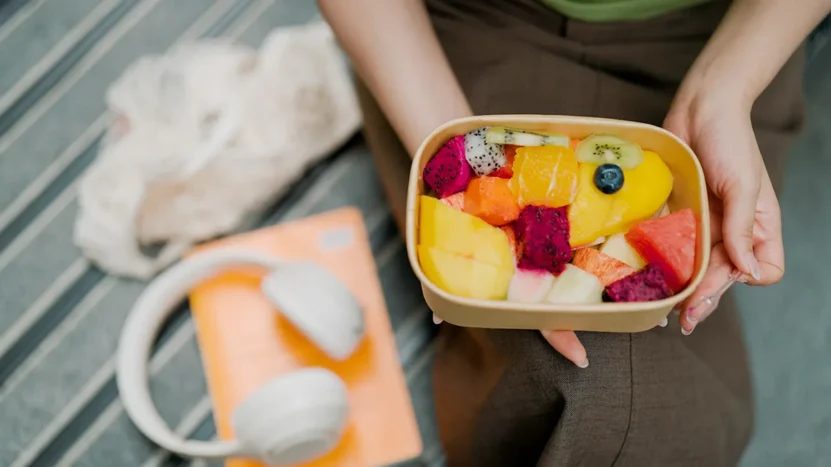
Seasonal fruits are a simple way to add nutrition and variety to your child’s meals. Fruits like oranges, guavas, papayas and pears are commonly eaten during the rainy season.
Vegetables such as carrots, spinach, and beetroot can also be included in everyday meals. You may also give small amounts of dry fruits and nuts as healthy snack options. Amid daily routines, these small food habits may help improve kids’ immunity in a natural, simple way.
Some practical ways to include them are:
- Add fruit slices alongside breakfast.
- Pack one seasonal fruit in the school lunchbox.
- Replace packaged snacks with fruit bowls several times a week.
- Blend fruits into homemade smoothies.
- Combine fruits with yogurt for balanced snacks.
These small adjustments can help children consume a wider variety of nutrients throughout the week.
Simple Tips for Serving Fresh Fruits During Monsoon
During the rainy season, it is important to wash fruits properly before serving them to children. Fresh fruits should be cut only when needed to keep them fresher longer. You can store fruits in clean containers inside the refrigerator or a cool kitchen space. Avoid leaving cut fruits uncovered for too long, especially during humid weather.
Simple ideas like fruit bowls, yogurt mixes, and homemade smoothies can make healthy snacks more fun for children. Giving different fruits regularly may also help children enjoy a variety of nutrients without getting bored with the same foods every day.
Maintain Healthy Sleep and Indoor Physical Activities
Good sleep is very important for children’s daily routine and energy levels. Parents can encourage regular sleeping and waking times on both school days and weekends. A consistent sleep schedule helps support healthy growth and overall well-being.
Since outdoor play may become limited during rainy weather, indoor physical activities can help children stay active. Some simple options include:
- Dancing to music
- Indoor obstacle courses
- Stretching exercises
- Active games with family members
- Yoga designed for children
Reading books, storytelling sessions, puzzles, and family activities can also help create a positive daily routine while spending more time indoors during the monsoon season.
Conclusion
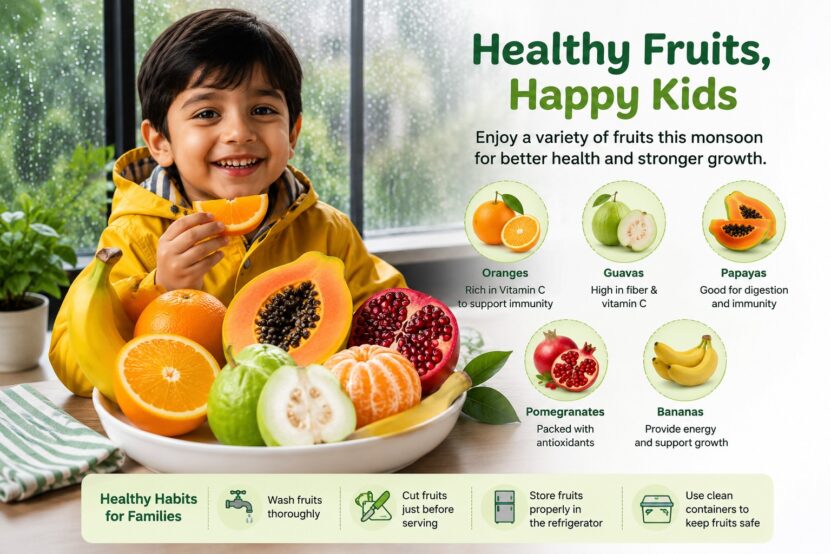
Fruits can be an enjoyable and nutritious addition to a child’s diet in the monsoon season. Different kinds of fruits, such as oranges, guavas, papayas, pomegranates, and bananas, offer different nutritional profiles and tastes that can support a child’s proper development.
Regular fruit consumption will help ensure that families maintain healthy food practices at home. It is also essential to thoroughly clean fruits and keep them safe during the rains.